The Artist
On objects, faces,
and the spaces between.
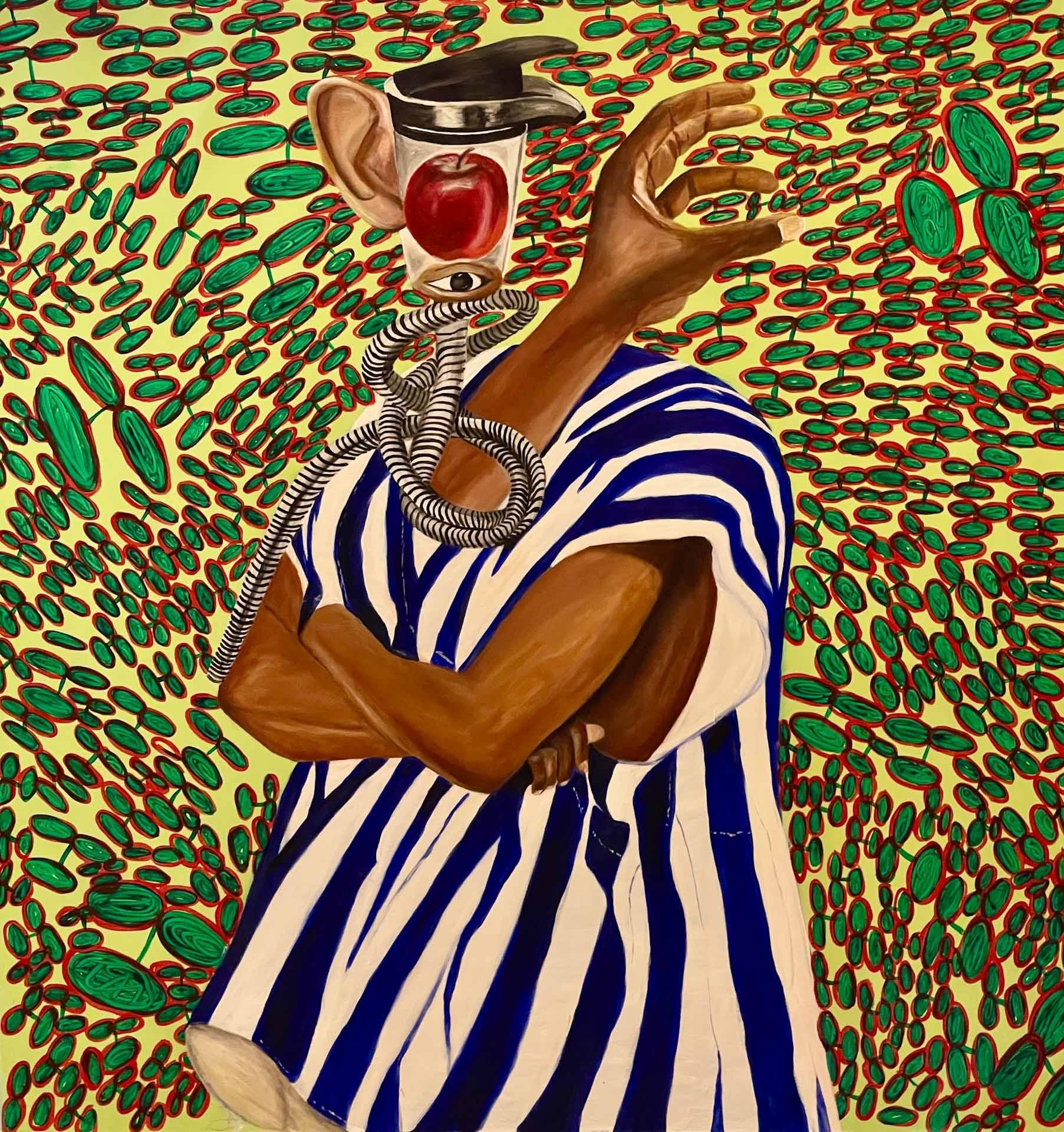
Self-Portrait with Batakari · Acrylic on canvas · 2022
Biography
Emmanuel Manu Opoku (b. 1990, Ghana) received his BFA in Painting from the Kwame Nkrumah University of Science and Technology in Kumasi, Ghana, and holds an MFA in Sculpture from the University of Florida. During his time at Florida, he also served as an Adjunct Professor of Studio Art.
Opoku has presented solo exhibitions across Florida, North Carolina, New Mexico, and Massachusetts — where he currently lives and works. His practice has earned distinctions including the James J. Rizzi Studio Award, the Harold Garde Studio Art Award, and a Juror's Prize at ArtsWorcester for Strut (2023). In early 2025 he was commissioned by the Worcester Art Museum for a collaborative project with interdisciplinary artist Lee Mingwei.
Emmanuel is a contributing artist to the 60-artist film project Exquisite Moving Corpse, screened internationally. He previously served as curator of 4Most Gallery and as a lecturer at Clark University. He currently teaches painting and drawing at Assumption University.
Artist Statement
Identity as assemblage—fluid, hybrid, continually negotiated.
I construct what I have come to call symbolic portraits: paintings that merge the conventions of classical portraiture with the destabilizing strategies of Surrealism. Faces are obscured or eclipsed by constellations of inanimate objects, transforming the portrait into a narrative matrix that charts personal history, cultural memory, and psychological terrain.
Through this practice I interrogate the lived experiences of diaspora and cultural assimilation — how identity is continually shaped, and sometimes distorted, by systems of commodity and consumer culture. The objects we accumulate and assign value to do more than reflect our preferences; they construct the frameworks through which we understand ourselves.
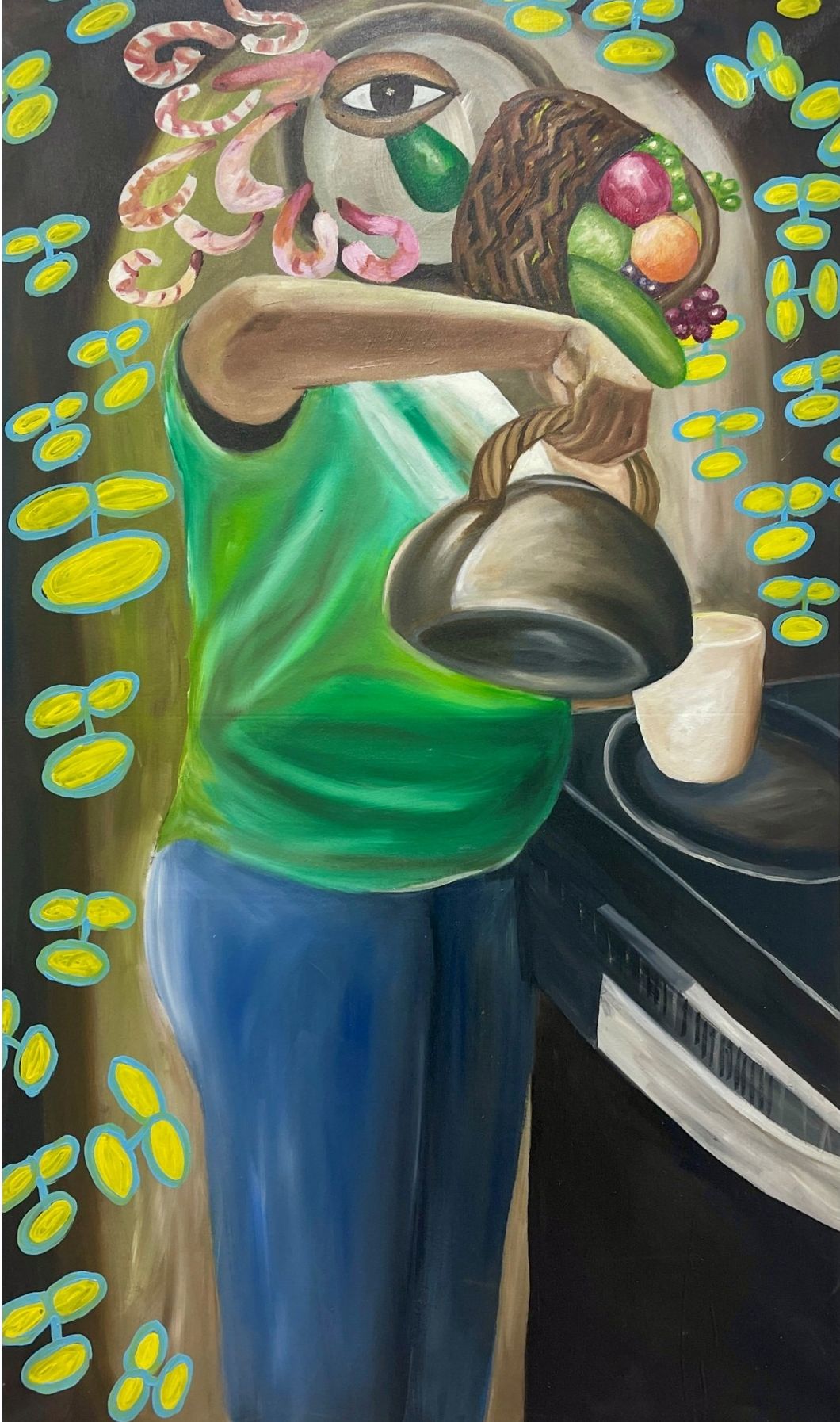
Tea Woman · Oil on canvas · 2023
Curriculum Vitae
A practice in record.
Education
2021
Master of Fine Arts, Sculpture
University of Florida — Gainesville, FL
2015
Bachelor of Fine Arts, Painting
Kwame Nkrumah University of Science and Technology (KNUST) — Kumasi, Ghana
Teaching & Appointments
2023 — Present
Adjunct Professor of Studio Arts, Painting & Drawing
Assumption University, Worcester, MA
Aug — Dec 2023
Adjunct Professor of Studio Arts, Sculpture
Clark University, Worcester, MA
2021 — 2022
Adjunct Professor of Studio Arts, Interdisciplinary Art
University of Florida, Gainesville, FL
2019 — 2021
Instructor of Record, Sculpture
University of Florida, Gainesville, FL
2021 — 2022
Curator
4Most Gallery, Gainesville, FL
Awards & Honors
- 2023
Juror's Prize
ArtsWorcester Gallery, Worcester, MA
- 2020
Harold Garde Studio Art Scholarship
University of Florida
- 2019
College of the Arts Outstanding International Student Award
University of Florida
- 2019
FACC Juried Exhibition / Dean's Award
College of the Arts, UF
- 2019
James J. Rizzi Scholarship
School of Art + Art History, UF
Other Activities
- 2024
Presenter, 19th ACASA Triennial Roundtable: A Ghanaian–United States Nexus in Art Pedagogy and Practice, DePaul University, Chicago.
- 2024
Artist talks: ArtsWorcester (MA), Strata Gallery (NM), Nubuke Foundation (Ghana).
- 2021
Selection jury for public sculptures, Clark University Park.
- 2015
89 Plus, Nubuke Foundation, Accra — juried by Hans Ulrich Obrist.
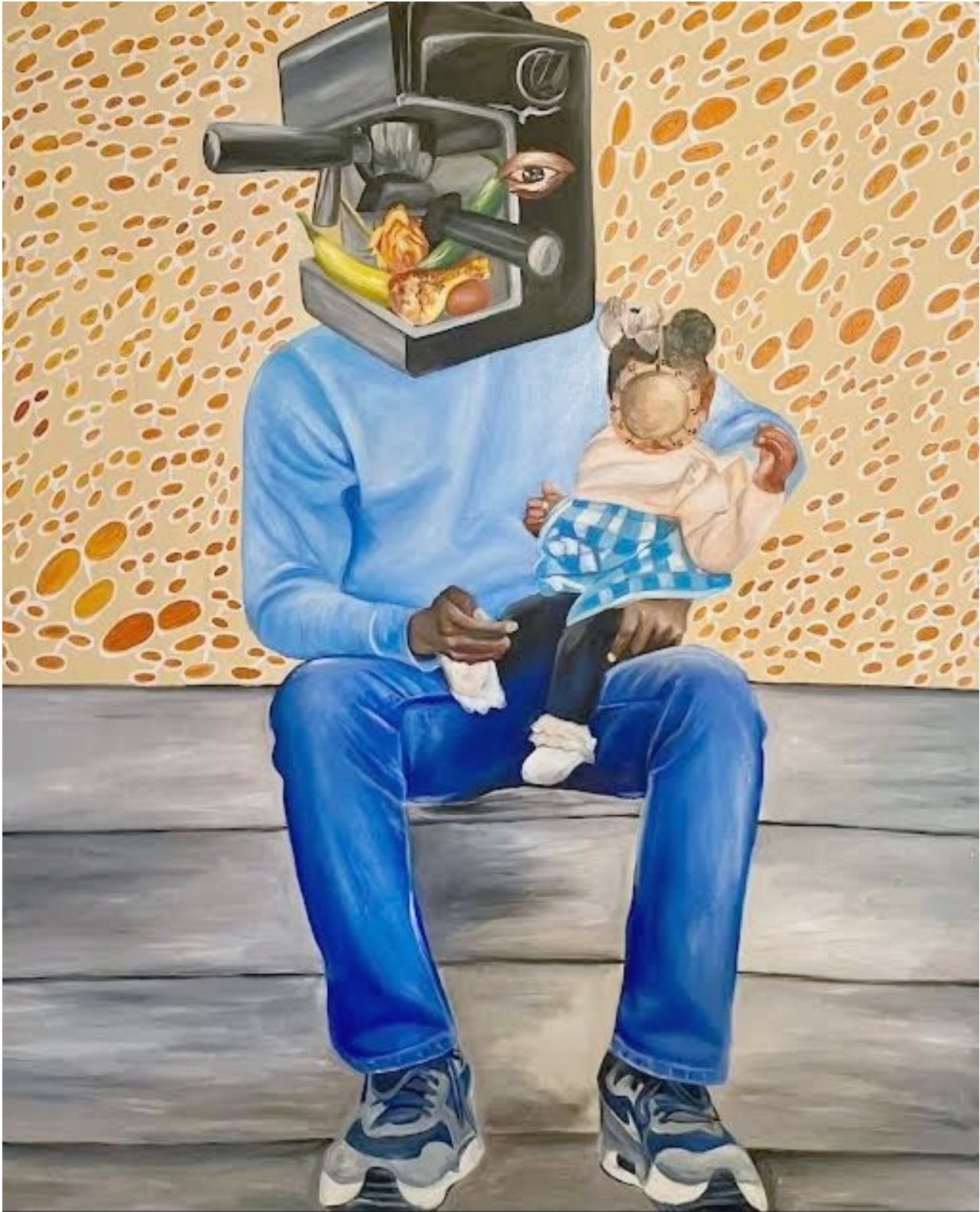
Ancestry · Oil on canvas · 60 × 48 inches · 2024